By Dr. Antti Rintanen, MD, MSc
Yoga was originally a philosophy and lifestyle. Later, Western medicine labeled it as an alternative practice. Now it has evolved from an alternative practice to one of the most popular wellness practices worldwide. As a doctor, I regularly see patients who have been helped by yoga for a variety of conditions, from chronic pain to hypertension. However, yoga works best when it is individually tailored to your specific health condition.
The Health Benefits of Yoga
Yoga was initially considered mostly a spiritual practice, largely outside of Western medicine. At first, the health benefits of yoga were mostly based on experience, and as the health benefits have begun to be scientifically studied, yoga has slowly shifted from the margins of healthcare towards a more evidence-based, accepted approach to health and wellbeing.
Studies have shown that yoga can help treat a variety of conditions. A large review of 37 studies found that yoga could reduce diastolic and systolic blood pressure by an average of 5 mmHg. The effect is even more pronounced when yoga is combined with physical poses, breathing exercises, and meditation. In this case, the blood pressure-lowering effect was an average of 8 mmHg for systolic blood pressure and 6 mmHg for diastolic blood pressure. A review of 12 studies found that patients with type 2 diabetes had lower blood sugar levels and some improvements in their lipid profiles.
In addition to its cardiovascular and metabolic effects, yoga has been shown to reduce chronic back pain and increase functional ability Yoga has also been shown to reduce anxiety, especially stress-related anxiety symptoms.
Therefore, when applied individually, yoga can act as a part of a holistic health program and can provide significant health benefits.
Accidents Still Do Happen
Although yoga can generally be considered a safe form of physical exercise, injuries do sometimes occur.
For example, one review found 76 injuries related to yoga, one-third of which were musculoskeletal and the rest were nerve and eye-related [4]. Eye problems can be a surprising type of accident. The eye injuries were generally associated with increased intraocular pressure, especially in head-down positions.
Nervous system-related problems were usually peripheral nerve entrapments or strains, often associated with extreme joint positions or prolonged or repetitive positions and techniques. The most common symptoms are peripheral nerve symptoms such as numbness and tingling.
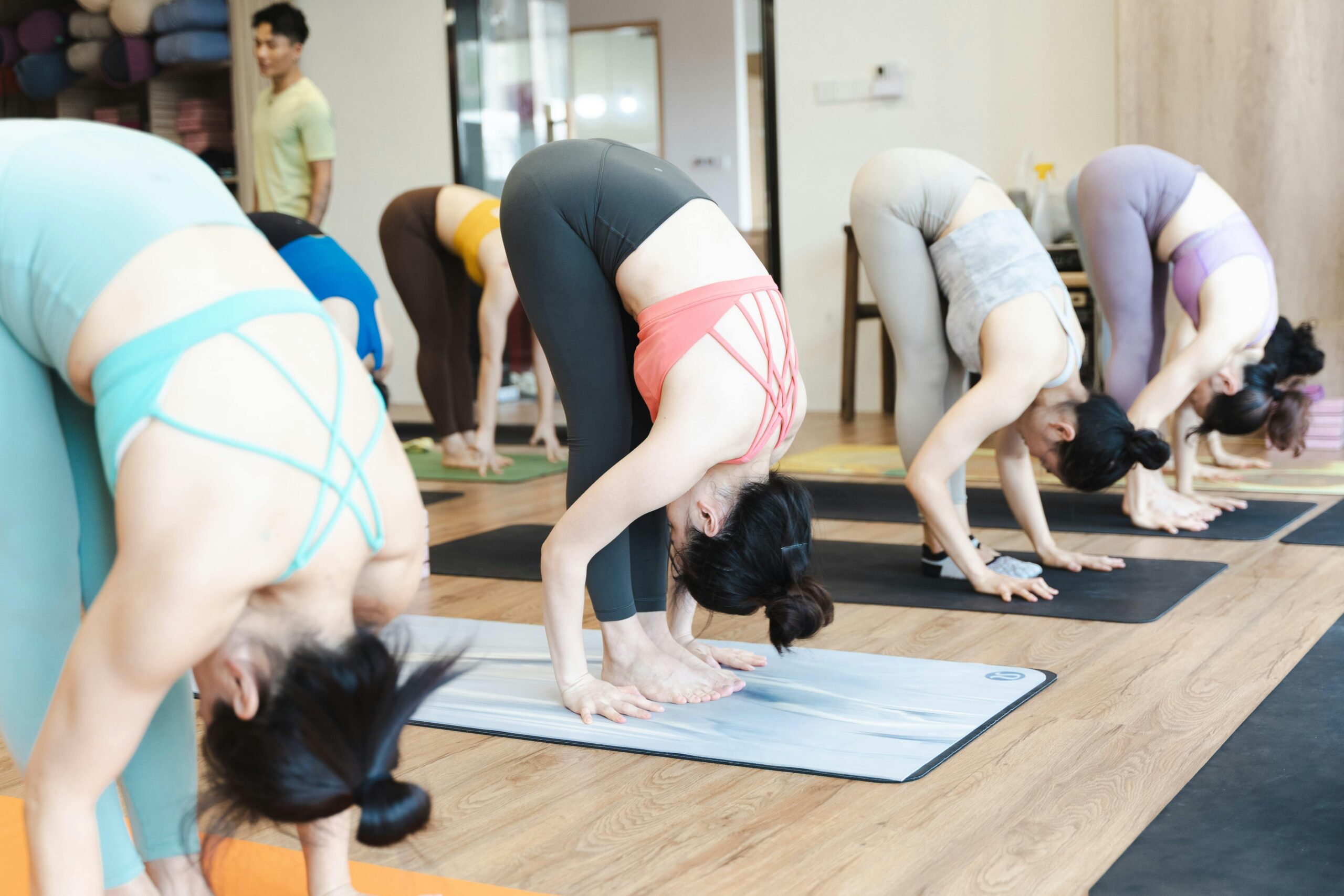
Unfortunately, we do not have exact figures on the frequency of accidents. However, the most common injuries reported are related to head stand, shoulder stand, and handstand positions, especially in people with underlying medical conditions such as glaucoma or osteoporosis.
This doesn’t necessarily mean that yoga is dangerous, but it does mean that certain poses may require modification depending on your health condition.
When to Check With Your Doctor First
Generally speaking, yoga is safe and in rare cases, yoga would not be recommended for patients. However, consider getting medical clearance before starting yoga if you have:
- Cardiovascular disease
- High blood pressure
- Glaucoma or other eye disease
- Spinal disease such as a disc herniation or spinal fracture
- Recent surgery
- Dizziness or problems with balance
- Diabetes on medication
- Complications during pregnancy
Common Health Conditions in Relation to Yoga
High Blood Pressure: High blood pressure is usually not a barrier to yoga practice. Generally, high blood pressure is not a barrier to yoga. However, especially if your blood pressure medication is not in good balance, your doctor may need to adjust your dose as yoga takes effect. In addition, some medications can cause problems with balance, especially when changing positions.
Glaucoma: As mentioned earlier, certain positions can cause problems with eye pressure. If you have glaucoma, it is advisable to avoid head-down techniques, as they can increase eye pressure and worsen glaucoma. In this situation, it would be good to work with an experienced teacher, who knows the safe alternatives.
Osteoporosis: Osteoporosis is not really a barrier to yoga. It is important for bone health to get physical exercise to strengthen your bones. However, especially with an osteoporotic spine, it is good to avoid forward bends, rotations, and inversions as they can increase spinal column fracture risk.
Chronic Back Pain: Yoga can be very helpful for back pain; several studies show that yoga may provide significant relief from back pain. However, in certain situations such as disc herniation and acute injury, you should still avoid the most intense exercises and seek professional guidance before exercising.
Anxiety and Depression: Studies show that yoga can help with stress, anxiety, and depression and can complement professional care Unlike approaches that focus mainly on cognitive and therapy methods, yoga works bottom-up through the body. Movement, breathing, and physical awareness practices can help to calm the nervous system and support emotional balance . If you have a history of trauma, it is advisable to find a trauma-informed yoga instructor.
Diabetes: Yoga may improve insulin sensitivity, so in some cases it may be possible to reduce a patient’s need for diabetes medication. If your blood sugar levels drop over time, it would be a good idea to discuss your medications with your doctor.Hot Yoga: During hot yoga, your heart may be placed under additional strain because thermoregulation directs extra blood to your skin, where heat is dissipated. Moderate amounts of extra exertion are good for your heart, but if you have heart disease or uncontrolled high blood pressure, or generally don’t tolerate heat well, you should check with your doctor before participating.
What Makes Yoga Safe
The best screening is not always a laboratory test. Although they are often helpful, the most important factor is often a conversation between your doctor and your yoga teacher.
Listening to your body is key. Pain, dizziness, and fatigue are often signs of when to stop and modify your training. The goal is not to achieve impressive poses, but to practice sustainably and in a way that improves your well-being and can be continued safely year after year.
With the right guidance, most people can enjoy the benefits of yoga. The best yoga practice is not the most advanced, but the most enduring. However, if you have any health concerns, always consult your doctor before practicing.
References
- https://pubmed.ncbi.nlm.nih.gov/25510863/
- https://pmc.ncbi.nlm.nih.gov/articles/PMC3679769/
- https://pubmed.ncbi.nlm.nih.gov/27370357/
- https://pmc.ncbi.nlm.nih.gov/articles/PMC3797727/
- https://pubmed.ncbi.nlm.nih.gov/23246998/
- https://pubmed.ncbi.nlm.nih.gov/34326296/
- https://pubmed.ncbi.nlm.nih.gov/29697885/
- https://pubmed.ncbi.nlm.nih.gov/23922209/
- https://pubmed.ncbi.nlm.nih.gov/37032928/
- https://pubmed.ncbi.nlm.nih.gov/32423912/
- https://www.researchgate.net/publication/267814005_Potential_self-regulatory_mechanisms_of_yoga_for_psychological_health